When Cameras Keep Rolling: A Reminder About Accountability in Public Service
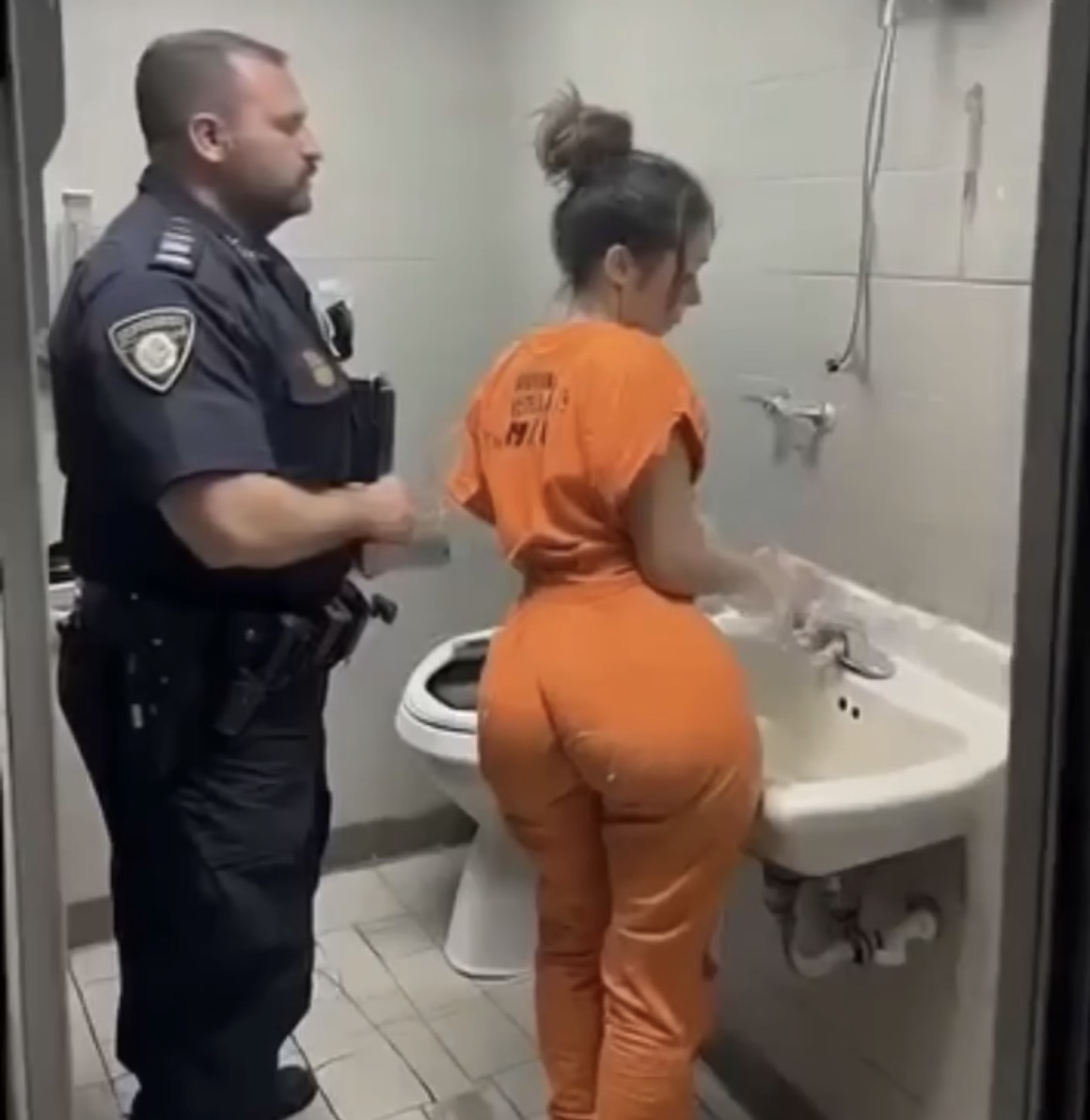
What began as a seemingly routine moment unexpectedly turned into a widely discussed online incident after a police officer, believing the situation had ended, appeared to forget that a camera was still recording. The footage, once circulated on social media, quickly sparked debate about accountability, professional conduct, and the growing role of cameras in public life.
While officials have not released full details, authorities confirmed that the incident prompted an internal review and that established procedures were being followed. The case has since become part of a broader conversation about transparency and responsibility in professions built on public trust.
How Ordinary Moments Become Viral In the digital age, viral incidents rarely begin with dramatic intent. More often, they emerge from ordinary situations captured at unexpected moments. In this case, viewers noted that the officer appeared to relax once he believed the interaction was over, behaving in a way that may never have been visible without a recording device.
Once the video entered the public domain, interpretation followed quickly. Some viewers saw it as a cautionary example of how professionalism can slip when attention seems to fade. Others emphasized the importance of due process, noting that short clips often lack context and should not replace formal investigations.
What is clear is that cameras have changed how such moments are perceived—and remembered.
The Expanding Role of Cameras in Public Life
Cameras are now a constant presence in modern society. Body cameras, security systems, dashboard cameras, and smartphones all contribute to a near-continuous record of public activity.
Supporters argue that cameras offer protection for both the public and professionals by providing objective documentation. When incidents occur, recordings can clarify what happened, reduce misinformation, and support fair evaluations.
Critics, however, point out that constant recording can create pressure and fatigue, especially in high-stress professions. They warn that brief lapses—when removed from context—can overshadow years of service.
This tension lies at the heart of ongoing discussions about surveillance, accountability, and human behavior.
Leave a Reply