What began as an ordinary football match in Colombia quickly transformed into a wider online conversation about social media visibility, professional identity, and the unpredictable nature of internet attention.
The BetPlay League fixture between América de Cali and Millonarios FC was already expected to attract strong interest because of the long-standing rivalry between the two clubs. Fans packed the stands at Pascual Guerrero Stadium as both teams competed in an important postponed league clash.
Yet while the football itself delivered intensity and drama, much of the online discussion after the match shifted toward something entirely different: the unexpected viral attention surrounding a police officer working security at the stadium.
The story highlights how modern sports events no longer exist only within the stadium walls. In the age of smartphones and social platforms, almost any moment can become part of a much larger digital narrative.América de Cali Controlled the Match Early
From the opening minutes, América de Cali appeared determined to dictate the pace of the game. The home side pressed aggressively, controlled possession, and created several promising attacking opportunities.
Veteran forward Carlos Darwin Quintero nearly scored early with a header that narrowly missed the target. The chance energized supporters and signaled América’s attacking intent.
The breakthrough finally arrived shortly before halftime when Adrián Ramos found space inside the penalty area and calmly finished to give América a 1–0 lead.
The goal intensified the atmosphere inside the stadium, with fans celebrating loudly as the home side carried momentum into the second half.
Under normal circumstances, the football result itself would likely have dominated post-match discussion. Instead, online attention soon shifted elsewhere.
The Stadium Moment That Went Viral
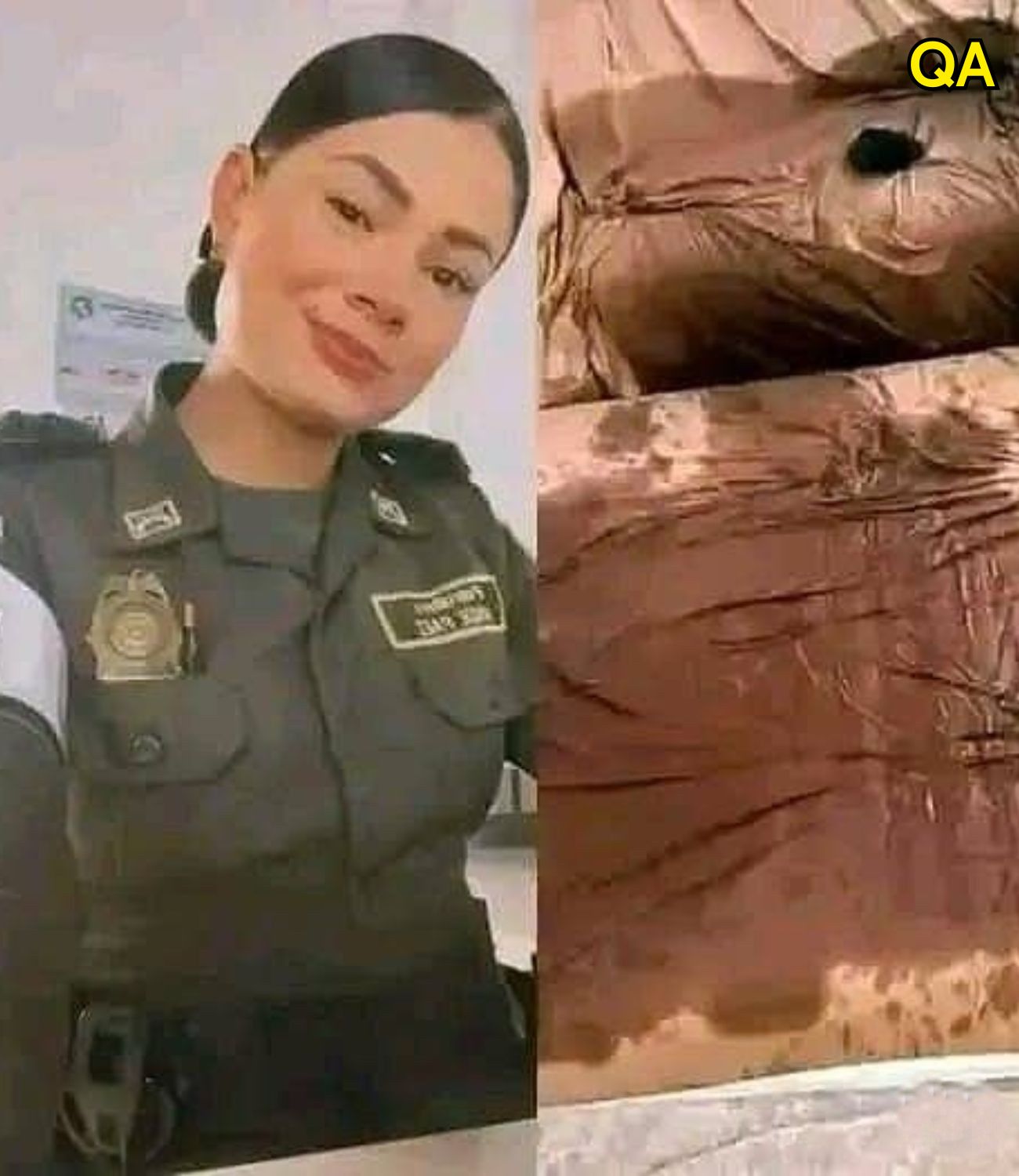
During the television broadcast and social media coverage surrounding the match, viewers noticed a police officer assigned to stadium security duties. Short clips and images began circulating online rapidly, attracting attention far beyond the football community.
The officer, identified online as Alexa Narvaez, reportedly already had an established social media presence where she shared fitness, lifestyle, and football-related content.
As the images spread across social platforms, internet discussions quickly expanded. Some users praised her enthusiasm and confidence, while others debated whether visible online influence creates challenges for people in professional or uniformed public-facing roles.
Within hours, the conversation surrounding the officer began competing with the football match itself for online attention.
Why Social Media Changes Sports Narratives
Experts in digital media say situations like this have become increasingly common in modern sports culture.
In previous decades, public attention focused almost entirely on the game itself: goals, tactics, player performances, and coaching decisions. Today, however, smartphones and social platforms allow audiences to create parallel storylines instantly.
A single image, reaction, or unexpected moment can quickly evolve into a viral topic independent of the sporting event.
Analysts often describe this as the “fragmentation of attention.” Instead of everyone discussing the same central story, audiences split into multiple conversations happening simultaneously online.
In this case, a routine security presence at a football stadium unexpectedly became part of a much larger social media discussion about identity, professionalism, and visibility.
The Growing Blur Between Public and Private Identity
One reason stories like this resonate so strongly is because they reflect a larger challenge in modern digital life.
Social media allows individuals to express personal interests, hobbies, and personalities publicly. At the same time, professional roles often carry expectations regarding behavior, appearance, and public perception.
For people working in visible professions, including law enforcement, sports, entertainment, education, or politics, maintaining balance between personal expression and professional identity can become increasingly complicated.
Digital culture has dramatically expanded public visibility. Individuals no longer need traditional media exposure to become widely recognized online. A short video or viral image can instantly place someone into national or even international discussion.
This creates both opportunities and pressures.
Leave a Reply