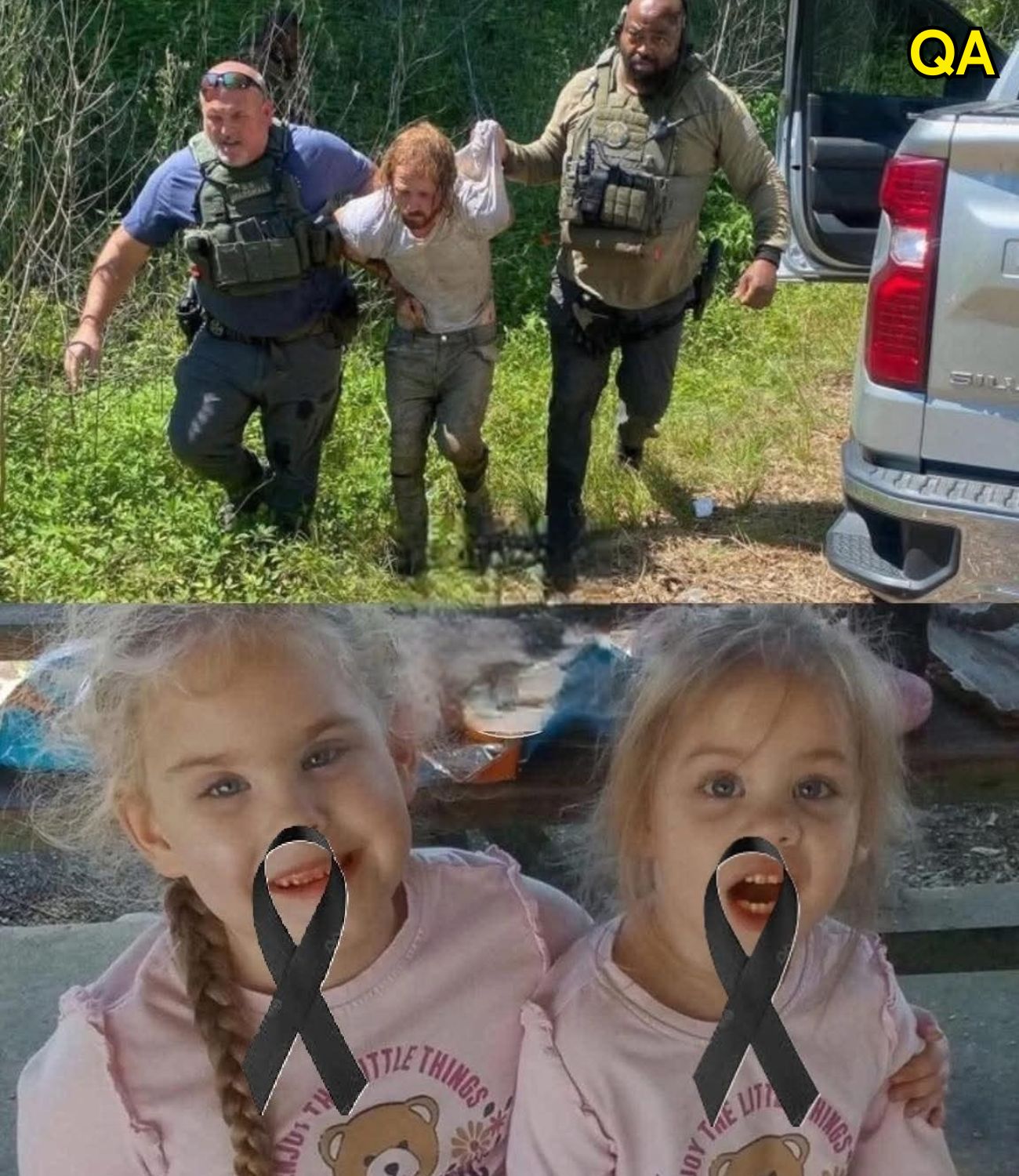
In many communities, daily life moves at a steady, predictable pace. Then, in a matter of moments, something unexpected can shift that calm into urgency. In this case, a concerning situation involving a young family drew immediate attention when neighbors noticed smoke and sensed something was wrong.
What followed was not panic alone, but action. People nearby responded quickly, ensuring that two children were brought to safety. While the situation was resolved without physical harm, it left behind important questions about stress, decision-making, and the role of community support.The Human Mind Under Stress
Situations like this rarely happen in isolation. They often reflect underlying emotional or psychological strain. One key concept in psychology is Acute Stress Response, sometimes referred to as the “fight or flight” response.
When stress becomes overwhelming, it can affect how a person thinks and reacts. Decision-making may become impaired, and actions may not reflect a person’s usual behavior.
This does not justify harmful choices, but it helps explain how extreme situations can develop. Understanding this allows communities to focus not only on response, but also on prevention.
The Power of Bystanders
One of the most significant aspects of this incident was the role of neighbors. Their quick thinking and willingness to act made a critical difference.
In social psychology, the Bystander Effect suggests that people are sometimes less likely to intervene when others are present. However, real-life examples often show the opposite—people stepping up when it matters most.
In this case, awareness and empathy overrode hesitation. It is a reminder that community vigilance can save lives.Mental Health and Early Support
After the immediate situation, attention turned to the individual at the center of the event. Reports suggested that he may have been experiencing significant emotional strain.
Organizations such as the World Health Organization emphasize that mental health is a vital part of overall well-being. When challenges go unaddressed, they can build over time, increasing the risk of crisis situations.
Early support can include:
Talking to trusted family or friends
Seeking professional counseling
Accessing community resources
These steps can help reduce pressure before it reaches a critical point.
Children and Safety: A Shared Responsibility
Children rely entirely on adults for safety and care. This makes it especially important for communities to remain attentive and supportive.
When situations arise, coordinated responses from neighbors, emergency services, and local organizations can ensure that children are protected. In this case, that coordination worked effectively, leading to a safe outcome.
It also highlights the importance of creating environments where families feel supported rather than isolated.Community Strength in Difficult Moments
Events like this often leave lasting impressions on those who witness them. Yet they also reveal something positive: the strength of community.
Residents not only responded in the moment but also began conversations about prevention and support. These discussions are essential for building awareness and reducing future risks.
Community strength is not just about reacting to emergencies. It is about creating connections that make it easier for people to ask for help before situations escalate.
Media Responsibility and Balanced Understanding
When incidents involving families and stress are reported, the way they are presented matters. Sensational language can increase fear, while balanced reporting encourages understanding.
Responsible narratives focus on:
The importance of early intervention
The role of community support
Practical steps for prevention
This approach helps shift attention from blame to solutions.
Leave a Reply