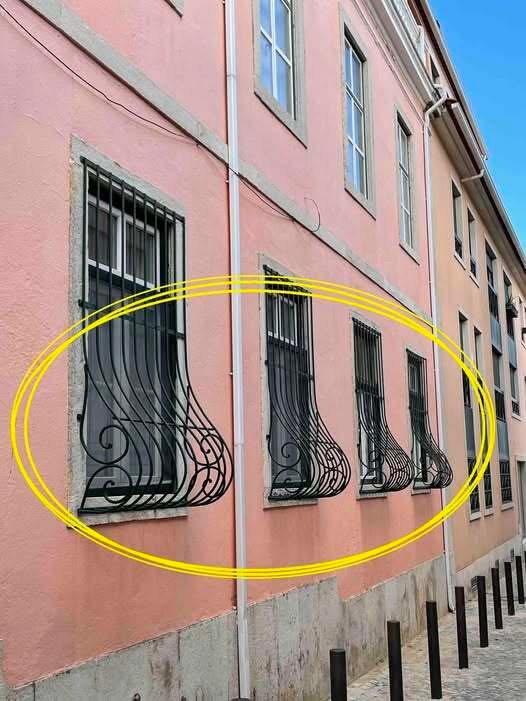
Have you ever walked by a home and noticed the window bars puffing out slightly, almost like a curved belly pressing outward from the glass? They are more than a quirky design choice or a playful architectural twist. These bulging bars, sometimes called potbellied window bars, serve a surprising and very practical purpose.
Window bars have existed for centuries as a simple way to deter intruders. They allow people to open windows for fresh air without sacrificing safety. The earliest versions were straightforward vertical or horizontal grids made from sturdy metal. Their goal was security, plain and simple. As homes evolved and builders experimented with designs, the flat grid began to change. The result blended form and utility, and the potbelly design emerged.
The outward curve creates a pocket of space between the bars and the glass. This small expansion does much more than add visual interest. It allows windows to open wider, lets curtains or blinds hang freely, and provides room for flower boxes, plants, or decorative items that sit close to the window. Residents can add greenery or personal touches without forcing items against the glass. On upper floors, where window ledges may be narrow or nonexistent, that added space can feel especially useful.
Airflow also improves. When windows open farther, breezes enter more easily and circulate better through a room. This feature made potbellied bars especially valuable in warm climates and historic European cities where homes were built close together. The design encouraged ventilation in places where air conditioning did not exist and tall narrow streets limited direct wind. The curve softened the look of metal security bars and made them feel like a natural part of the building’s exterior.
Leave a Reply