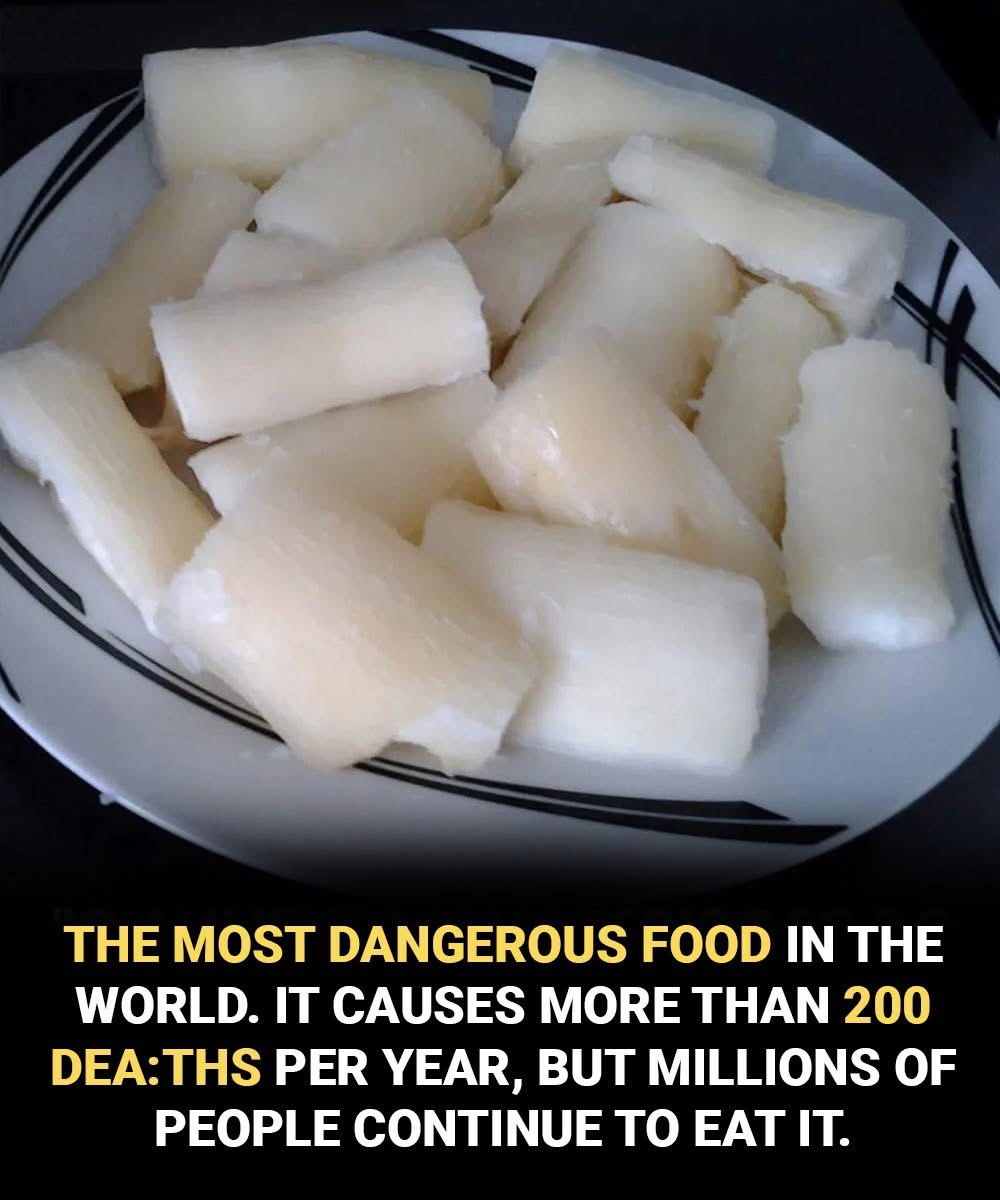
Cassava may not be a regular item in every American kitchen, but around the world it is as common as potatoes or rice. From Brazil to parts of Africa and Southeast Asia, this starchy root shows up in breads, cakes, porridges, and crisp fried side dishes.
What many people don’t realize is that cassava has a hidden side: if it’s not handled and cooked correctly, it can release cyanide, a substance best known from mystery novels and old spy stories. That sounds frightening, but here is the reassuring truth: with the right preparation, cassava can be enjoyed safely, even regularly, as part of a healthy diet.
This guide is meant to help you understand why cassava can be risky when mishandled, what “toxic cassava” really means, and how proper cooking and traditional food safety practices remove that danger.
Why Cassava Can Be Risky If It’s Not Prepared Properly
Cassava comes in different types, often described as “sweet” and “bitter.” The bitter varieties, which are common in some regions, naturally contain higher amounts of compounds called cyanogenic glycosides.
That phrase sounds technical, but the idea is simple: these are natural plant chemicals that can release cyanide if they are not processed correctly.
Leave a Reply