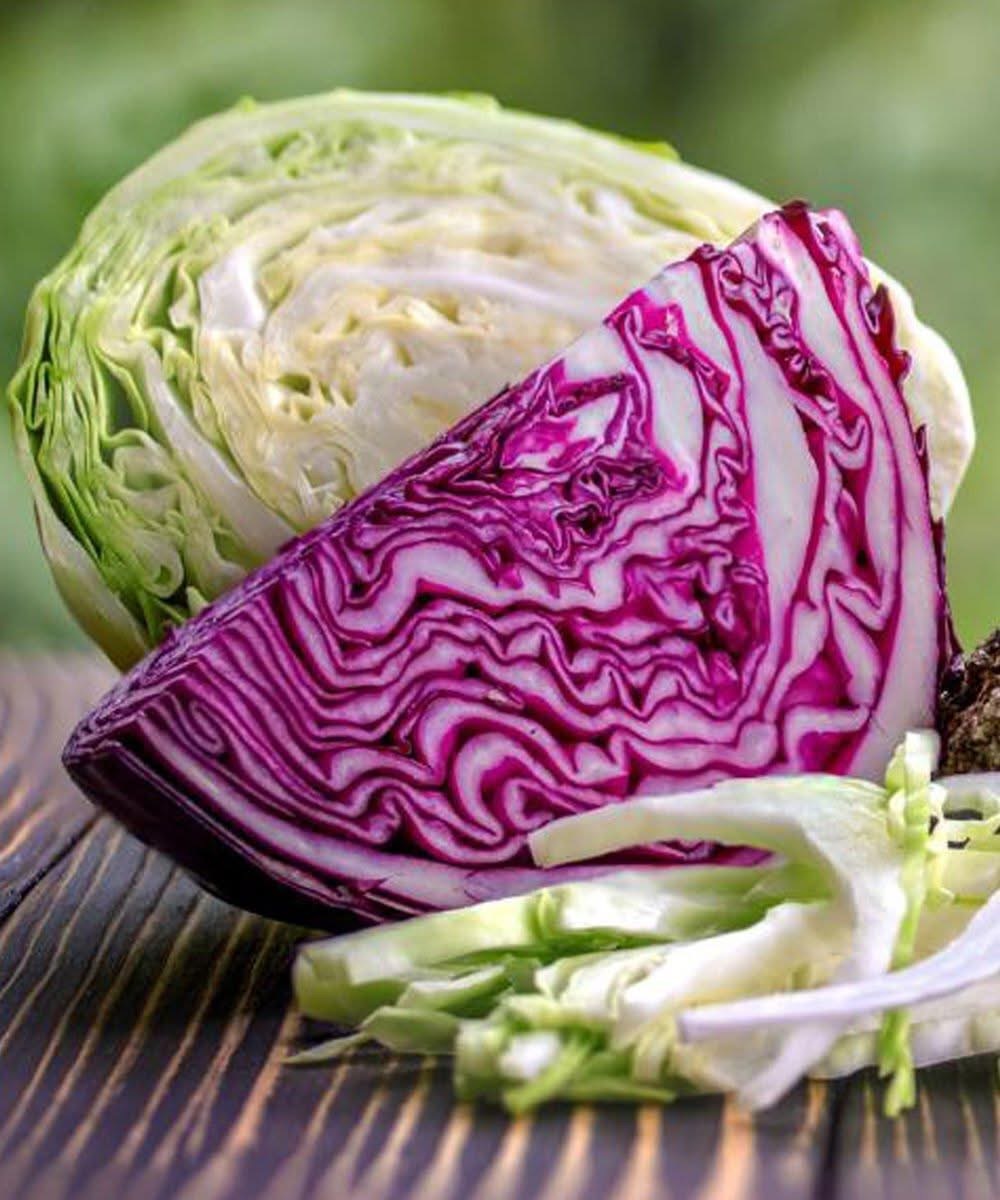
For generations, cabbage has been a quiet staple in American kitchens. It shows up in comforting soups, hearty stews, crisp salads, and traditional dishes passed down through families. Many older adults grew up eating cabbage regularly, often without a second thought. And for most people, that habit has served them well.
Cabbage is widely praised for its health benefits. It is naturally rich in vitamin C, vitamin K, fiber, and plant-based antioxidants that support overall wellness. When prepared properly and eaten in reasonable amounts, cabbage can be a valuable part of a balanced diet, especially for adults over 60 who want to support digestion, heart health, and immune function.
However, health professionals note that eating cabbage is not equally beneficial for everyone. Certain individuals may need to be more mindful about how much cabbage they eat, how often they eat it, and how it is prepared. In some cases, eating too much cabbage or eating it the wrong way can contribute to discomfort or interfere with specific health conditions.
Below are four groups of people who may need to limit cabbage intake or approach it with extra care, along with practical, everyday guidance that focuses on balance rather than restriction.
Why Cabbage Affects People Differently
Like many vegetables, cabbage contains powerful natural compounds. These compounds are what make cabbage nutritious, but they can also interact with medications or sensitive systems in the body. Age-related changes in digestion, metabolism, and medication use can make these effects more noticeable in older adults.
The key message from doctors is not to fear cabbage, but to understand how it fits into your personal health picture.
1. People Taking Blood-Thinning Medications
One of the most important nutrients in cabbage is vitamin K. This vitamin plays a role in normal blood clotting, which is beneficial for most people. However, for individuals taking anticoagulant medications such as warfarin, vitamin K intake needs to be consistent.
Large or irregular amounts of vitamin K-rich foods, including cabbage, can make it harder for healthcare providers to manage medication levels effectively.
What doctors recommend:
You do not need to eliminate cabbage from your diet entirely. Instead, aim for consistency. If you enjoy cabbage, eat similar portions week to week rather than having large amounts one day and none the next. This allows your healthcare provider to adjust medication as needed.
Keeping a simple food routine often works better than cutting out healthy foods completely.
2. People With a History of Kidney Stones
Cabbage contains naturally occurring compounds called oxalates. In some individuals, oxalates can combine with calcium in the body and contribute to the formation of kidney stones, especially calcium-oxalate stones.
Not everyone who eats oxalates will develop kidney stones, but those with a history of recurrence are often advised to be cautious.
Helpful habits to follow:
Enjoy cabbage in moderation rather than daily. Staying well hydrated throughout the day is equally important, as adequate water intake helps dilute substances in the urine. Cooking cabbage can also slightly reduce oxalate content and make it gentler on the system.
Balancing cabbage with other low-oxalate vegetables can help you maintain variety without overdoing any one food.
Leave a Reply