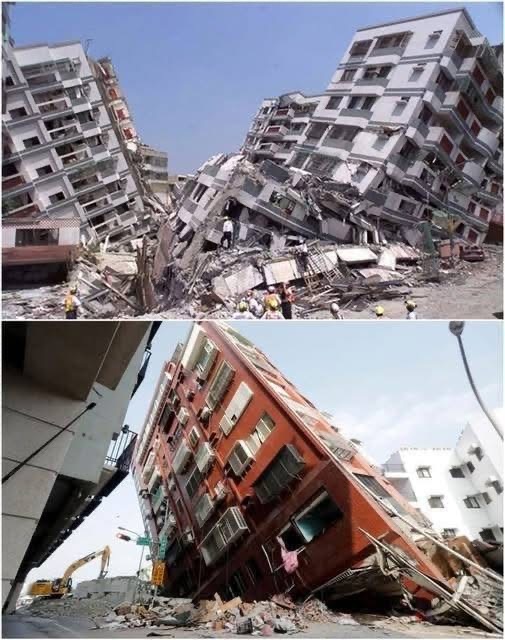
It began as a whisper—small but unsettling signs that something in Hawaii felt off. The tide pulled back too quickly, seabirds vanished, and dogs grew restless. A heavy stillness settled over the islands, the kind locals know never to ignore. Then, at 8:49 p.m., seismic monitors detected a powerful 7.5 earthquake off Russia’s Kamchatka Peninsula. Minutes later, phones lit up across Hawaii as an official tsunami watch was issued, triggering immediate fear.
People called family, gathered supplies, and remembered past disasters. The 1952 Kamchatka tsunami still lives in local memory, having destroyed homes and taken lives. Even though this quake wasn’t as strong, the emotional weight of history made the alert feel urgent. Many islanders began preparing before officials even finished their announcements.
The Pacific Tsunami Warning Center quickly analyzed data. Satellites tracked water displacement, and wave-modeling systems ran nonstop. Early readings showed no vertical seafloor movement strong enough to create a large tsunami. Hawaii’s ocean gauges reported no abnormal sea-level changes. All indicators pointed to the same conclusion: no dangerous wave had been generated.
Leave a Reply