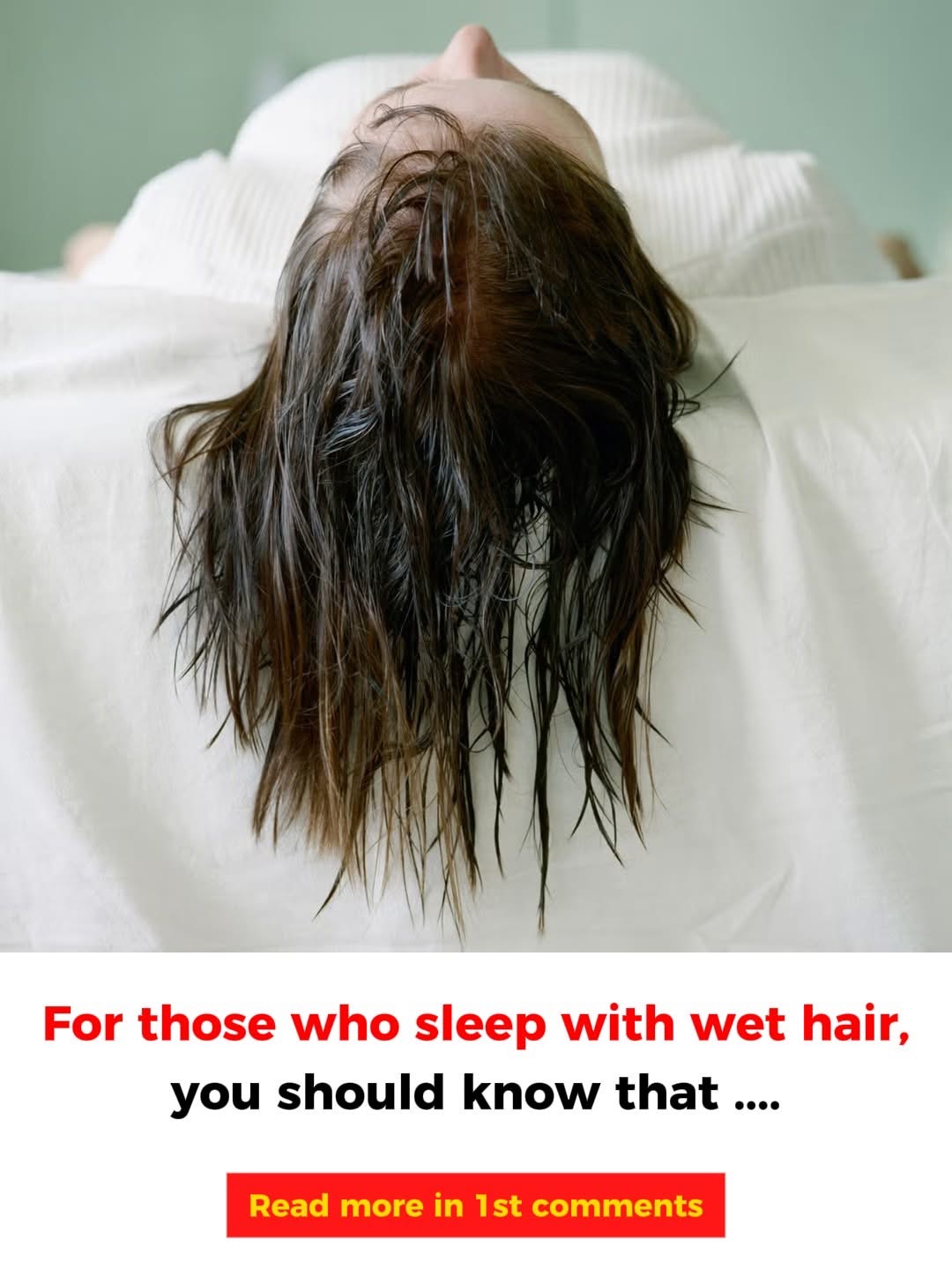
We’ve all done it — a late-night shower, no time (or energy) to blow-dry, and into bed we go with damp hair. But is it really that harmful, or are we just falling for old wives’ tales?
Let’s separate fact from fiction and learn how to protect your hair and scalp.
Myth 1: Wet hair causes lice
✅ Fact:
Lice don’t care if your hair is wet or dry — they spread through direct contact, not moisture. You can only get lice by sharing personal items like hats, brushes, or pillows with someone who already has them.
Sleeping with wet hair won’t give you lice — but sharing a pillow with someone who has lice might.
Myth 2: It’s totally harmless to sleep with wet hair
✅ Fact:
It might feel harmless, but going to bed with wet hair can lead to:
Fungal growth on the scalp (especially with pillow warmth and moisture)
Dandruff or seborrheic dermatitis
Hair breakage — wet hair is more fragile and prone to damage
Tangles and split ends
Your scalp is warm and dark at night — combine that with moisture, and it’s a breeding ground for bacteria and fungus.
Myth 3: Air-drying overnight is better than using a blow dryer
✅ Fact:
While heat damage is real, so is moisture fatigue. Leaving hair wet for hours (like overnight) can:
Weaken the hair shaft
Cause frizz and breakage
Disrupt your scalp’s natural pH balance
Best practice: Gently towel-dry, then use a blow dryer on a cool or low heat setting to dry it at least 80% before bed.
Leave a Reply