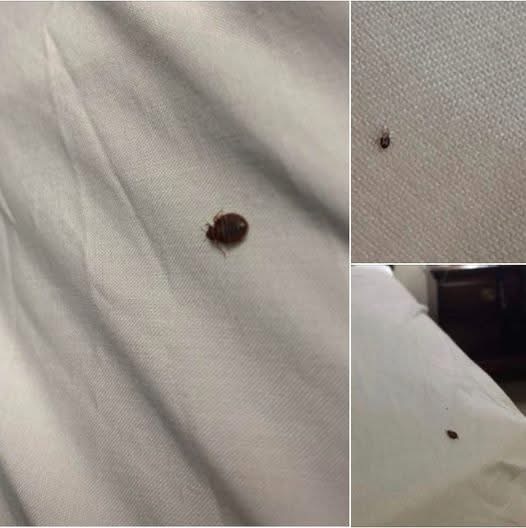
While I like to consider myself someone who loves all creatures great and small, even spiders and snakes— which are common fears for many—don’t terrify me to the point where I run away in fear. However there is one exception that I’d happily banish of the face of the earth…. TICKS!
Not only are they bothersome and invasive (not to mention enough to make anyone’s skin crawl), but they can also pose real dangers! Ticks can transmit serious diseases like Lyme disease and Rocky Mountain spotted fever, so it’s safe to say they’re not the kind of house guests you want to entertain.
That said, depending on where you live, the season, and whether you have pets, the likelihood of encountering ticks can be quite significant. So, here’s what to do if and when you come across one these tiny blights…
Identify & isolate the problem
First best step is to try and identify the type of tick (whether its a black-legged, dog, or brown dog tick) that you have found. That way you know what you are dealing with. If the tick is located in a specific area, keep your children or pets away until the tick has been removed.
Protective steps
To make sure the tick doesn’t latch onto you, wear gloves and long-sleeved clothing so your skin isn’t exposed.
Clean thoroughly
Make sure you thoroughly wash any clothing or bedding that the tick has come into contact with. Wash and dry on the highest setting possible. Vacuum the area, paying special attention to crevices and corners.
Tick removal
Take fine-tipped tweezers and grab hold of the tick as close to the skin’s surface as possible. Slowly pull upwards, but avoid twisting or jerking to ensure that the tick’s head doesn’t break off and remain in your skin.
Following the removal, clean any bite areas with alcohol or soapy water. You can use alcohol to dispose of the tick, or else flush it down the toilet.
Monitor your bite
It’s a good idea to monitor any bite sites you find, as well as the monitor the person who’s been bitten for symptoms.
Leave a Reply