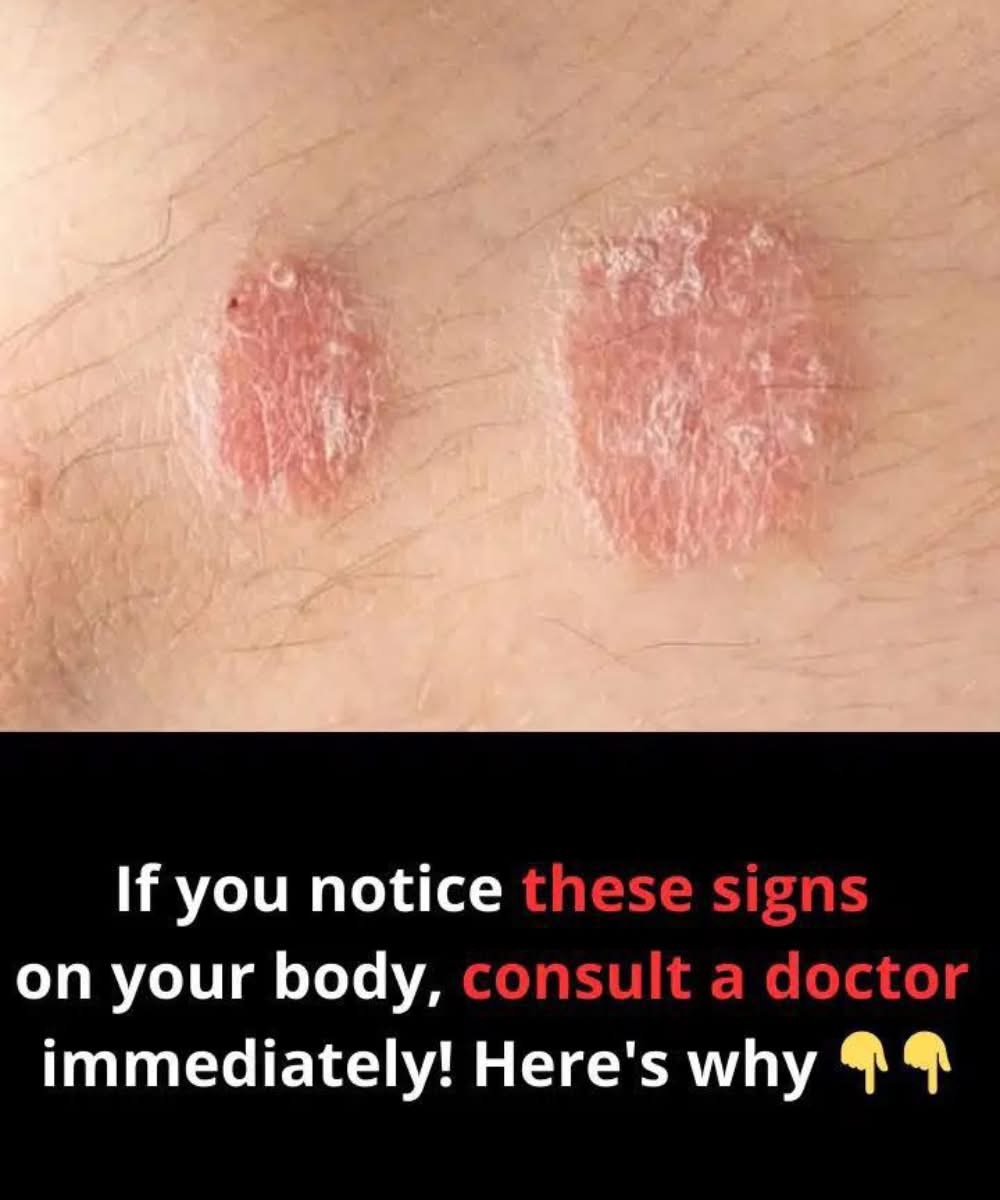
Psoriasis is a chronic autoimmune skin condition that affects millions worldwide. While not contagious, it can cause significant physical discomfort and emotional distress. Recognizing the symptoms early and understanding treatment options is key to effective management.
Types of Psoriasis and Key Symptoms
Psoriasis can appear in different forms, each with unique characteristics:
Plaque Psoriasis
The most common type, marked by red, raised patches of skin covered with silvery-white scales. These patches often appear on the elbows, knees, scalp, and lower back.
Guttate Psoriasis
Presents as small, drop-shaped lesions, usually triggered by bacterial infections such as strep throat. More common in children and young adults.
Pustular Psoriasis
Characterized by red, inflamed skin topped with white, pus-filled blisters. It can appear on the hands and feet or cover large areas of the body.
Inverse Psoriasis
Affects moist areas like the armpits, groin, and under the breasts. It appears as smooth, red lesions without scaling and can be worsened by friction and sweating.
Erythrodermic Psoriasis
A rare and severe form that causes widespread redness, peeling, and intense burning or itching. It is a medical emergency and requires immediate care.
Leave a Reply