Have You Ever Taken a Color Vision Test?
Color vision tests are used to detect color vision deficiency—commonly called color blindness. This condition, usually inherited, makes it difficult to distinguish certain colors.
Most people with color vision deficiency struggle with reds and greens or blues and yellows. There are four main types of color blindness, and many people aren’t even aware they have it until a situation—like hesitating at a traffic light—reveals the issue.
True color blindness, where a person sees only in black, white, and gray, is incredibly rare. The majority can still see colors, though they may confuse shades or see them differently than people with normal vision.
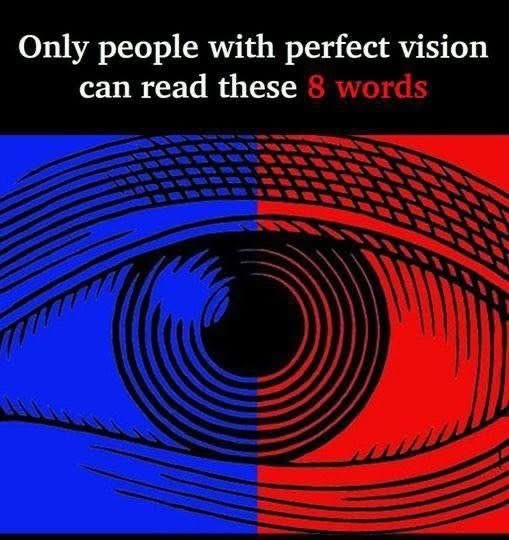
Color vision tests often use word patterns or number dots disguised in colorful backgrounds. Only individuals with normal color vision can read them all clearly. These simple tests can reveal a lot about how your eyes perceive color.
Interestingly, blue is usually still visible to those with color blindness. That’s because blue is detected by different receptors (cones) in the eye. Green can also sometimes be seen, especially when environmental context provides clues.
Color blindness doesn’t typically affect daily life severely, but in certain careers—like pilots, electricians, or graphic designers—color accuracy can be essential.
If you’ve never taken a color vision test, it’s worth trying. Online tools and apps make it easy, and knowing your results can be helpful in understanding your own perception.
Even if you do have a form of color deficiency, many people adapt well over time using memory, pattern recognition, and context clues to navigate their world.
Leave a Reply