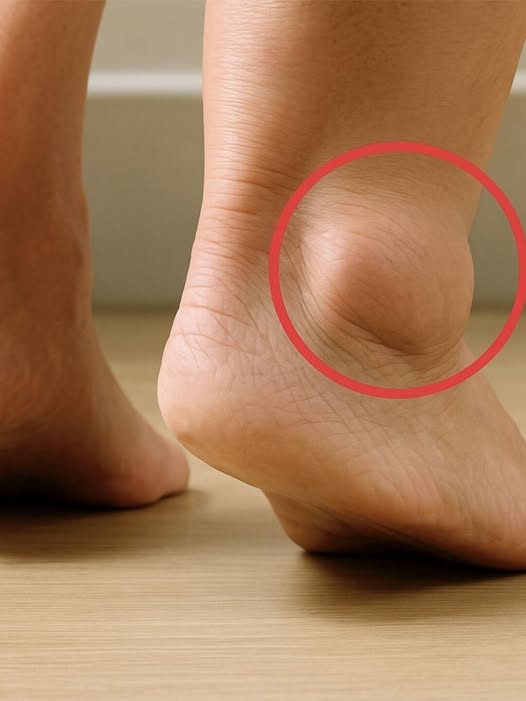
Waking up with puffy ankles or feeling heaviness in your legs after a long day might seem normal—but persistent or sudden leg swelling can signal something more serious.
Medically known as peripheral edema, leg swelling happens when excess fluid builds up in the tissues of the lower limbs. Sometimes it’s harmless—like after standing or sitting too long—but it can also point to deeper issues involving the heart, kidneys, veins, or lymphatic system.
Common causes include poor circulation, heart failure, kidney disease, or chronic venous insufficiency. Even lifestyle factors like a high-salt diet, dehydration, or lack of movement can contribute.
You might notice symptoms like tight or shiny skin, indentations after removing socks, or difficulty fitting into shoes. The swelling may affect one or both legs and could worsen by the end of the day.
Simple lifestyle changes can help. Elevating your legs, reducing sodium intake, wearing compression socks, and staying active often provide relief. Drinking more water can also help flush out excess sodium and reduce swelling.
If swelling is sudden, painful, or comes with symptoms like chest pain or shortness of breath, seek medical attention immediately—it could be a sign of a blood clot or heart issue.
Long-term swelling that doesn’t improve with rest may need professional evaluation. A doctor can run tests to rule out serious conditions and recommend treatments, including diuretics, physical therapy, or further diagnostics.
The bottom line? Don’t ignore leg swelling—your body might be trying to tell you something important.
Leave a Reply