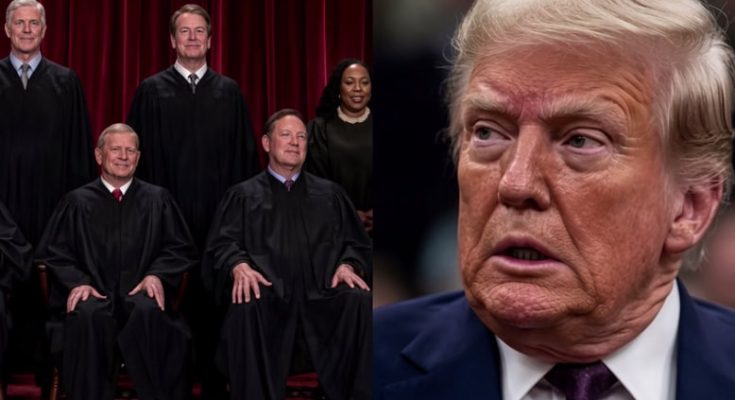
WASHINGTON — In a landmark decision that severely limits the extraterritorial reach of the American judiciary, the U.S. Supreme Court has ruled that foreign plaintiffs cannot use historic federal human rights laws to sue American corporations for allegedly aiding and abetting abuses committed on foreign soil.The 6–3 ruling in Cisco Systems, Inc. v. Doe represents a massive victory for domestic technology leaders, defense contractors, and multinational enterprises. By shutting down these types of lawsuits, the high court has effectively insulated U.S. companies from civil tort liability in federal courts stemming from commercial partnerships, hardware sales, and technical support provided to authoritarian governments abroad.
The Death of “Aiding and Abetting” Under Old Statutes
Writing for the conservative majority, Justice Amy Coney Barrett declared that federal courts lack the constitutional authority to create common-law causes of action under the Alien Tort Statute (ATS) of 1789. She also concluded that the Torture Victim Protection Act of 1991 (TVPA) does not extend to secondary “aiding and abetting” liability. Barrett was joined by Chief Justice John Roberts and Justices Clarence Thomas, Samuel Alito, Neil Gorsuch, and Brett Kavanaugh.
Leave a Reply