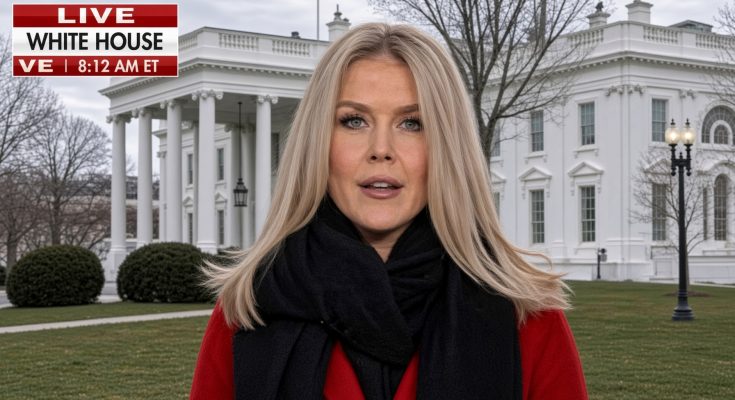
WASHINGTON — The Trump administration has introduced an expansive, controversial buyout framework designed to significantly downsize the federal workforce, offering civilian civil servants full compensation and benefits through the end of the fiscal year in exchange for submitting their resignations within weeks.
Dubbed the “Deferred Resignation Program,” the initiative targets a substantial portion of the nation’s nearly two million non-defense civilian employees. Under the terms of the directive, federal personnel who formally tender their resignations by Feb. 6 will remain on agency payrolls, receiving full salaries and maintaining health insurance benefits through Sept. 30 without being required to report to physical government offices.
The policy represents one of the most aggressive executive maneuvers to reshape the civil service in modern administrative history, accelerating the White House’s dual campaign to rein in executive branch expenditures and eliminate post-pandemic remote-work arrangements across cabinet departments.
Targeting Telework and Operating Costs
Administration officials framed the program as an overdue correction to entrenched operational habits established during the coronavirus pandemic.
According to White House figures, only an estimated 6% of federal personnel stationed in the National Capital Region currently work on-site on a full-time basis. Senior administration advisors have repeatedly argued that widespread telework has degraded agency productivity, diminished bureaucratic accountability, and cost taxpayers billions of dollars in maintained, yet largely vacant, commercial office space across the District of Columbia.
Proponents argue that the buyout offers an equitable off-ramp for civil servants reluctant to comply with mandatory return-to-office directives. By providing an extended runway of taxpayer-funded pay, officials contend, the government can achieve long-term budgetary savings through permanent workforce attrition without having to navigate lengthy formal termination proceedings.
Speaking from the James S. Brady Press Briefing Room, White House Press Secretary Karoline Leavitt dismissed accusations that the initiative represents an ideological effort to hollow out the federal bureaucracy.
“This policy is about efficiency and savings for taxpayers — not politics,” Leavitt said. She added that the administration is committed to building a leaner, more agile executive branch capable of responding rapidly to the public’s priorities without sustaining unnecessary bureaucratic bloat.
Union Pushback and Institutional Brain Drain
The proposal has drawn fierce resistance from federal employee labor unions, administrative law experts, and Democratic lawmakers, who contend the compressed February deadline amounts to coercive pressure rather than a benign separation incentive.
Leaders of major public-sector unions, including the American Federation of Government Employees (AFGE) and the National Treasury Employees Union (NTEU), warned that the accelerated buyout threatens to precipitate a catastrophic loss of institutional knowledge. Employee representatives argue that senior programmatic directors, specialized researchers, and regulatory specialists are the most likely to accept the offer, leaving mission-critical divisions severely understaffed.
Labor leaders also voiced concern that an uncoordinated mass exodus would immediately impair core public services, ranging from veteran healthcare administration and Social Security claim processing to aviation oversight and disaster relief operations. Critics maintain that rather than optimizing administrative performance, indiscriminate staff reductions risk compounding backlogs and shifting overwhelming workloads onto the personnel who choose to remain.
Legal scholars have raised questions regarding the statutory authority underpinning the program, suggesting that using appropriated agency payroll funds to maintain non-working employees on deferred leave for nearly eight months may invite challenges under federal anti-deficiency and civil service protection statutes.
Leave a Reply